
[ Blog ]
Auto check-in is the smallest part of the system
RoomQuest announced auto check-in connected to Thailand's immigration system. Nine words in a press release; most of a year of identity engineering underneath them.
In July, RoomQuest announced its second-half direction: an AI ecosystem, built with the RQ | Opsian partnership, entering final testing ahead of an official launch within the year. The feature the press release could name in one line was auto check-in connected to the immigration system — convenient, and legally compliant.
Nine words. Most of a year of engineering underneath them. This is a note on what those words actually contain, because the distance between a demo of auto check-in and a production system a national hotel portfolio can stand on is where the real work lives.
Start with what check-in legally is in Thailand. A property does not just hand over a key. It is required to register every foreign guest with the immigration authority. At most properties this runs as a second, invisible workflow after the visible one: the desk scans the passport for the stay, then someone re-keys the same passport into a government filing. Two systems, one identity, held together by a person typing.
An auto check-in that only automates the visible half makes the property faster and the compliance gap wider. The guest clears the lobby in seconds; the filing still depends on a human remembering. That is the version most vendors ship, because the visible half is the demo.
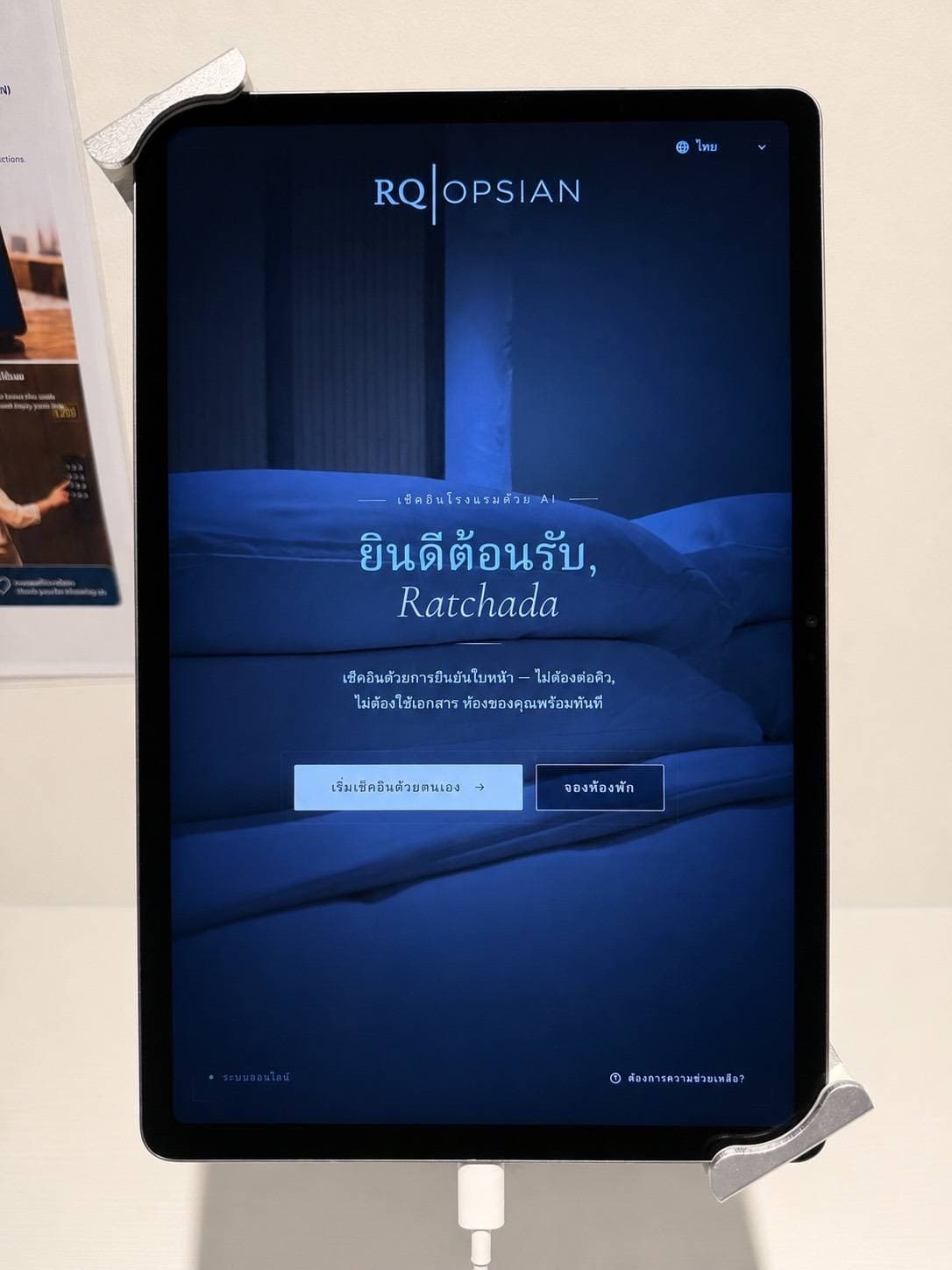
ENTRIX was engineered from the invisible half outward. The verification event — document authenticity, passive liveness, biometric match — produces one signed record, and that record is what files the registration. Compliance is not a downstream task the system reminds someone to do. It is a property of the check-in having completed at all.
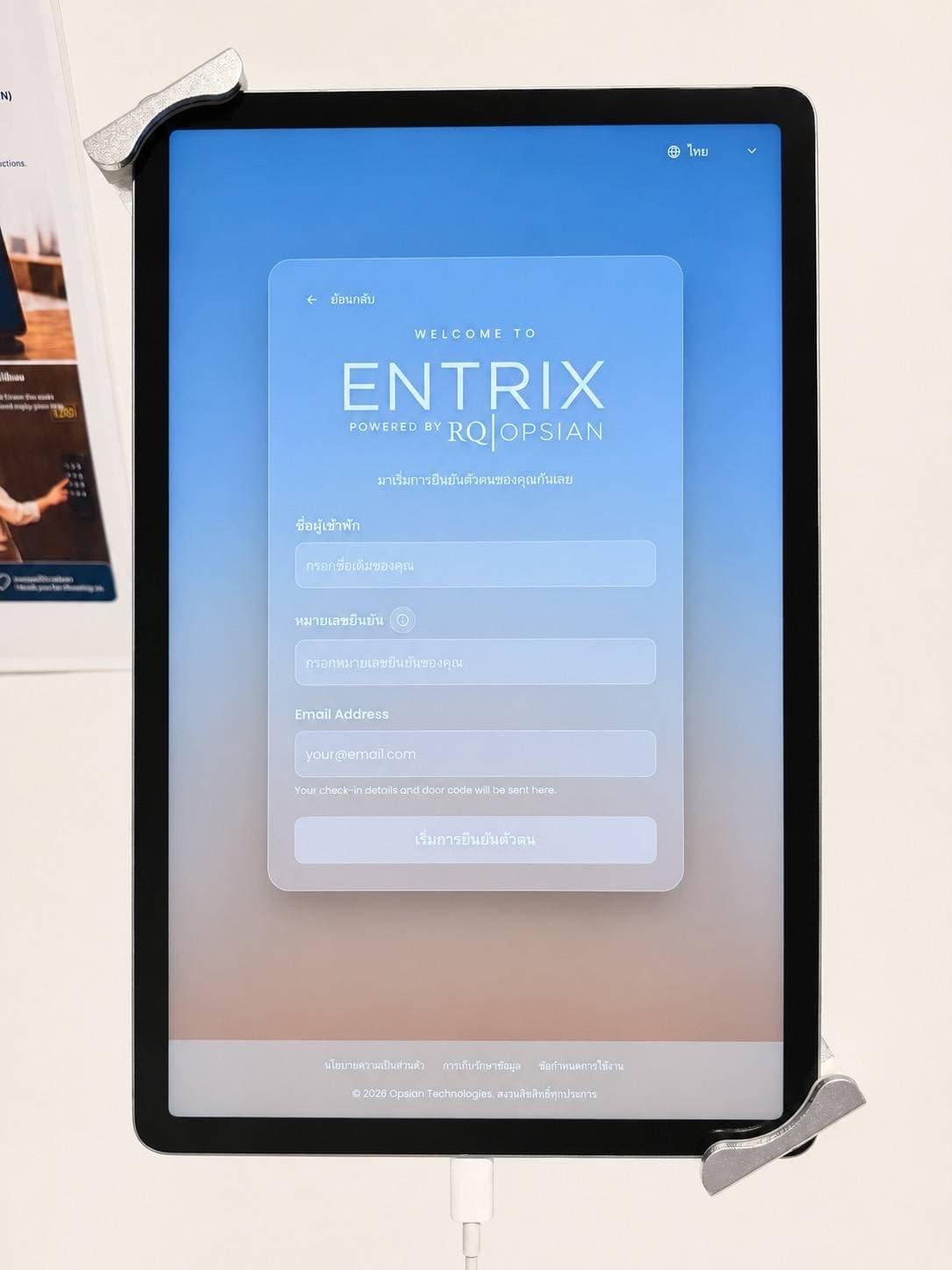
Building it that way forces the engineering discipline the demo version skips. The identity record has to be canonical, because a filing built on a fragment is a liability with a timestamp. The decision has to be signed and reproducible, because the audience for a verification is not just the guest in the lobby — it is the examiner who asks, months later, who was on the property on a specific night. And the failure modes have to be operational, not exceptional: a document the parser cannot read at 1 a.m. must route to a person with the partial record attached, not silently drop into a queue.
The press release also said, plainly, that auto check-in is one function and not the point — that the partnership is building an ecosystem intended to reach beyond hospitality. From the engineering side, that is not ambition layered on top of the feature. It is the reason the feature is shaped this way. A signed, canonical identity event is the substrate marketing intelligence, behavior analytics, and operational automation can run on. An unsigned scan is just a faster queue.
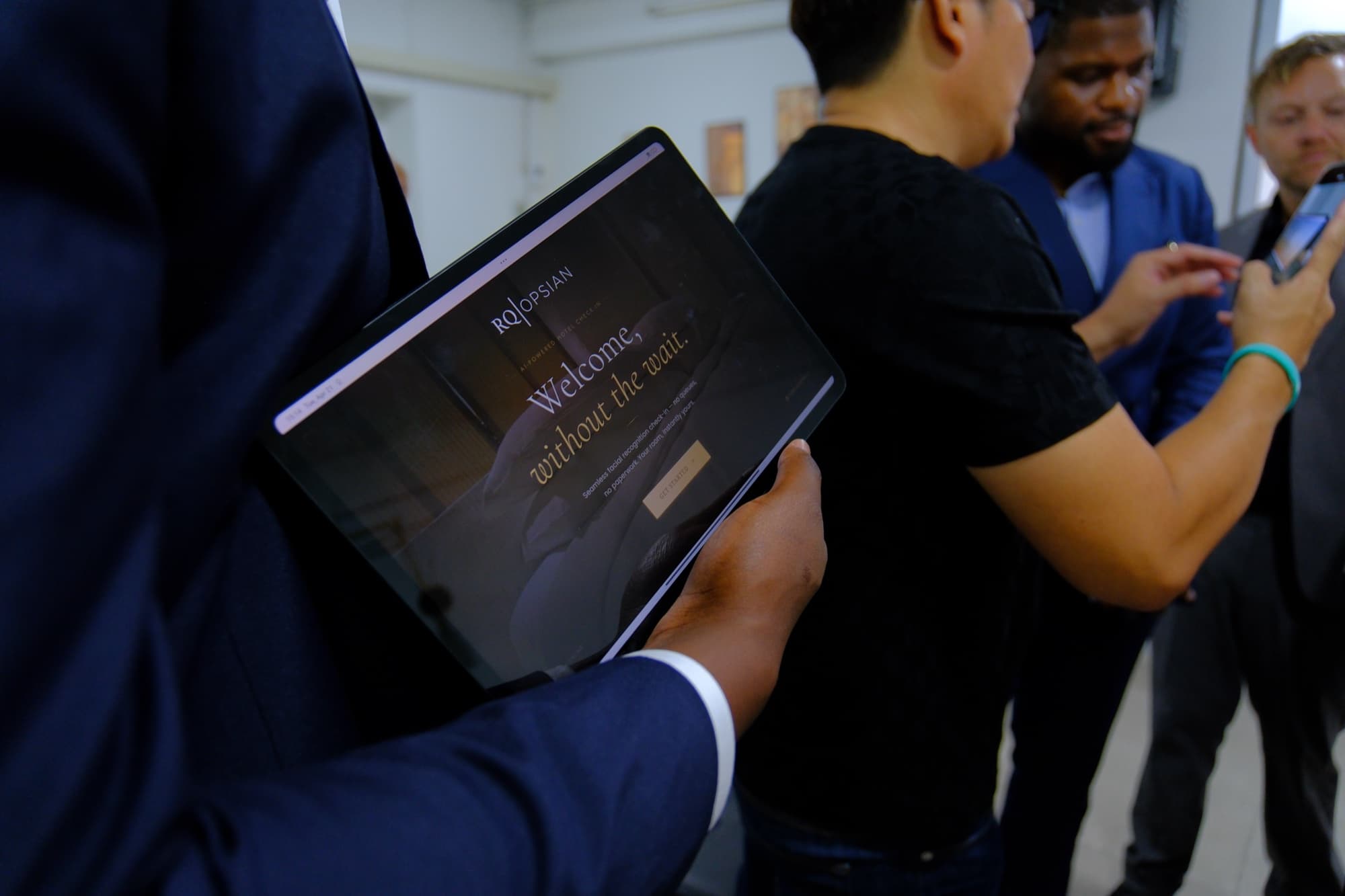
The smallest part of the system is the part you can see at the desk. The system is what makes that part defensible.


Press & analyst inquiries
Reach the Opsian press desk.
For interviews, briefings, and analyst access — get in touch and we will route the request.
Response within 24 hours · Sales@opsian.io